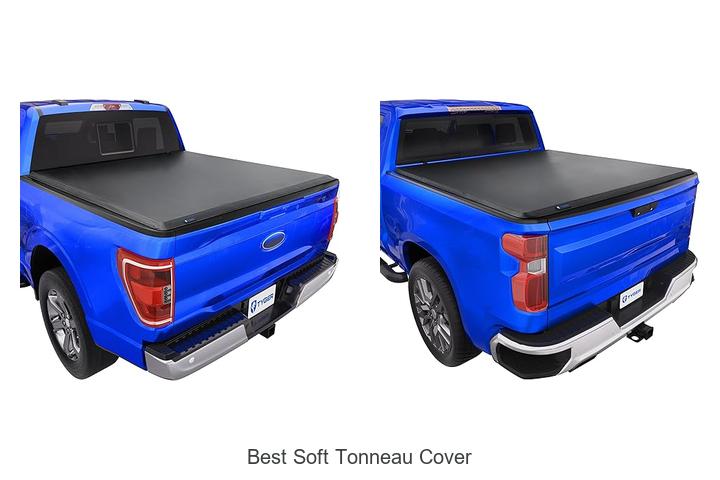
Last week, a 2015 Ford F-150 rolled into my shop with a serious problem. The owner, Mike from Greenpoint, couldn't open his tonneau cover after a brutal cold snap. When he tried forcing it, he heard a nasty cracking sound. Turns out, moisture had collected along the seals and completely frozen the cover shut. After carefully thawing and inspecting it, we found micro-tears in the seal that would've become major damage if he'd kept yanking on it. That's when I realized how many truck owners don't understand winter tonneau cover maintenance.
Why Tonneau Covers Freeze (And Why You Should Care)
In my experience, most truck owners treat their tonneau covers like an afterthought during winter. Big mistake.
Freezing doesn't just inconvenience you — it can permanently damage your cover's materials and mechanism. Water vapor condenses overnight, creating ice that locks your cover shut and puts massive stress on the seals and hinges.
I've seen covers on everything from Toyota Tacomas to Ram 1500s get destroyed by repeated freeze-thaw cycles. The material becomes brittle, seals degrade, and what started as a minor inconvenience becomes a $300-$500 replacement.
Pre-Winter Inspection: Your First Defense
A customer once asked me, 'Kenny, how do I know if my cover needs winter prep?' Here's my professional walkthrough:
Start by thoroughly examining the cover's surface for any existing damage. Look for:
• Hairline cracks in the material • Torn or loose seams • Rust on metal components • Bent or misaligned frame sections
Lubrication and Protection Strategies
The thing most guides won't tell you is that silicone spray isn't just a recommendation — it's a necessity.
Use a high-quality automotive silicone spray specifically designed for rubber seals. Apply a light, even coat to all rubber components, focusing on:
• Cover seals • Hinge mechanisms • Locking points
Smart Winter Storage Techniques
I've learned through 15 years of truck repair that storage makes a massive difference in tonneau cover longevity.
If possible, park in a garage or under a carport. This simple step reduces moisture exposure by nearly 70%.
When storing the cover itself, follow these rules: • Ensure it's 100% dry • Roll, don't fold tightly • Store in a temperature-controlled environment
Frequently Asked Questions
How often should I inspect my tonneau cover in winter?
Inspect it thoroughly every 2-3 weeks. Look for new cracks, check seal integrity, and ensure no moisture is trapped. Quick checks prevent expensive repairs.
Can I use a hair dryer to defrost my frozen cover?
Yes, but carefully. Keep the dryer 6-8 inches away, use low heat, and move continuously to prevent material damage. Never use boiling water.
What's the biggest winter risk to tonneau covers?
Repeated freeze-thaw cycles. Moisture trapped in small cracks expands and contracts, progressively weakening the material. Prevention is always cheaper than replacement.