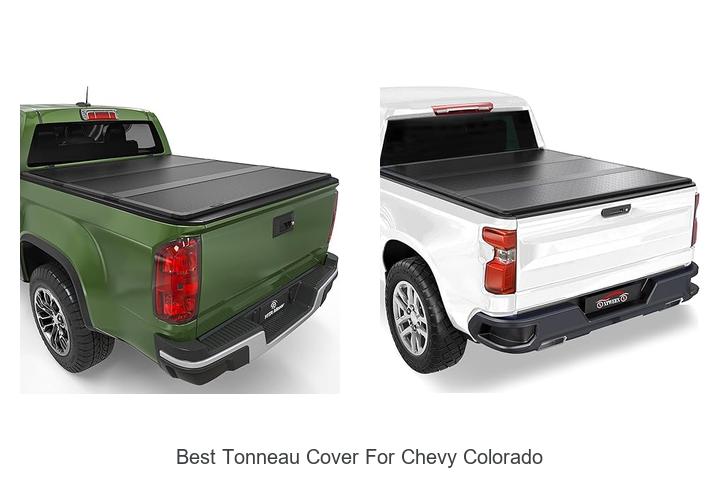
Last month, a 2018 Ford F-150 rolled into my shop with a customer complaining about water leaking into his truck bed. When I inspected his setup, I quickly realized the problem wasn't just a bad seal—it was an improperly installed tonneau cover that didn't account for his custom spray-on bedliner. These installations aren't as straightforward as most people think, and one wrong move can compromise your entire truck bed's protection.
Choose the Right Tonneau Cover for Your Bedliner
In my experience, the biggest mistake truck owners make is treating all bedliners like they're the same. A spray-on bedliner from Line-X isn't going to mount a cover the same way as a drop-in plastic liner from WeatherTech.
I've seen countless issues with incompatible covers—like a 2015 Chevy Silverado where the owner tried forcing a hard folding cover onto a textured spray-in liner. The result? Scratched rails and a cover that never sealed properly.
Common Mistakes I See: 1. Ignoring bedliner texture: Rough surfaces need flexible mounting systems 2. Assuming all covers are universal 3. Not checking manufacturer compatibility specifications
Verify Compatibility Before Installation
A customer once asked me, 'Kenny, why won't this cover fit my Ram 1500?' The answer was always in the details—specifically, the bedliner's design and mounting surface.
Start by measuring your specific bedliner's thickness. A spray-on liner might add 1/8 to 1/4 inch of material, which can completely change your mounting options.
For a 2019 Toyota Tundra with a drop-in liner, I always recommend checking three critical compatibility factors: - Rail height - Surface texture - Mounting point locations
Precise Bed Preparation
The thing most guides won't tell you is how critical a clean surface is for tonneau cover installation. Dirt, grime, or old sealant can completely compromise your mounting.
I recommend a three-step cleaning process: 1. Remove all loose debris with a shop vacuum 2. Use a degreaser specifically designed for truck bed surfaces 3. Finish with an alcohol-based cleaner to remove any residual oils
Pro tip: Always let the surface completely dry—moisture trapped between the bedliner and cover can lead to mold and rust over time.
Mounting and Final Adjustments
Most DIY mechanics rush the mounting process, but precise rail installation makes all the difference. Use rubber-lined clamps and apply even, controlled pressure.
When securing rails, never over-tighten. Most mounting hardware requires about 8-10 ft-lbs of torque—any more risks damaging your bedliner or creating uneven pressure points.
Final leak testing is crucial. Use a garden hose and spray water across the entire cover, checking for any water intrusion. A proper installation means zero leaks, period.
Frequently Asked Questions
Can I install a tonneau cover myself?
With the right tools and patience, yes. But if you're not comfortable with precise measurements and careful mounting, bring it to a professional shop like ours.
How long does installation typically take?
For most trucks, expect 1-2 hours. Custom bedliners or complex covers might take longer.
Will installing a tonneau cover void my truck's warranty?
Not if installed correctly. Always use mounting systems that don't require drilling into the truck bed.