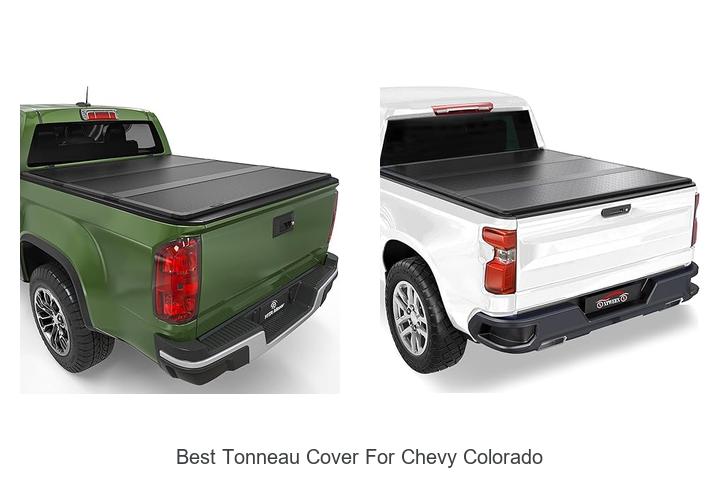
Last week, a 2015 Ford F-150 rolled into my shop with a tonneau cover so loose it was flapping like a sail. The owner, frustrated after watching online tutorials, couldn't figure out why his cover wouldn't sit tight. I've seen this issue a hundred times — and the solution isn't complicated if you know exactly what you're doing.
Prep Your Truck Bed: The Foundation of a Perfect Cover Stretch
In my experience, 90% of tonneau cover problems start with poor preparation. A clean, dry surface isn't just recommended — it's mandatory.
Start by thoroughly cleaning your truck bed. I'm talking about removing every speck of dirt, dust, and debris. For trucks like the 2017 Chevy Silverado or 2019 RAM 1500, use a soft brush and microfiber cloth to avoid scratching.
Inspect the bed rails carefully. Any sharp edges or rust spots can potentially damage your cover during stretching.
Warming and Stretching: The Critical Technical Process
The thing most guides won't tell you is that material temperature is everything when stretching a tonneau cover.
A heat gun is your best friend here — but use it like a surgeon, not a demolition expert. Keep it moving, maintaining about 6-8 inches from the surface. Aim for a gentle warmth around 100-110 degrees Fahrenheit.
Common Mistakes I See: 1. Overheating the material (causes permanent damage) 2. Stretching unevenly (creates weak spots) 3. Using excessive force instead of gentle, consistent pressure
Securing Your Tonneau Cover for Maximum Performance
A customer once asked me, 'Kenny, how tight is too tight?' — and that's a great question.
Use the manufacturer's built-in fastening system. Most covers have specific tension points designed to distribute pressure evenly.
Check your attachment points methodically. For soft covers like those on a Nissan Frontier, you'll want about 1/4 inch of give — not completely rigid, but not loose either.
Frequently Asked Questions
How often should I stretch my tonneau cover?
Every 3-4 months, or whenever you notice significant sagging. Think of it like rotating your tires — preventative maintenance matters.
Can I stretch a cover in cold weather?
Yes, but it's more challenging. Cold makes materials less flexible. If it's under 50 degrees, warm the cover indoors first or wait for a sunnier day.
Will stretching damage my cover?
Not if done correctly. Gentle, even stretching actually extends your cover's life by preventing permanent wrinkles and maintaining material integrity.