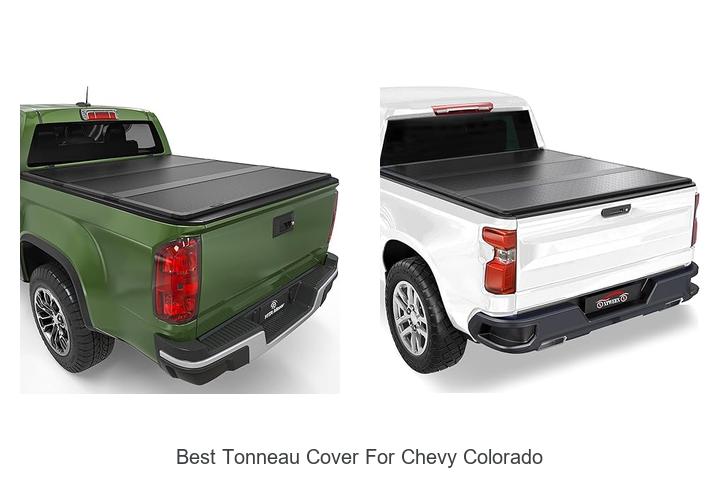
Last week, a customer rolled into Clermont Truck Repair with a 2015 Ford F-150 sporting a nasty 8-inch tear in his soft roll-up tonneau cover. He'd caught the edge on a metal fence post while backing into his Brooklyn driveway. Most shops would've recommended a full replacement, but I knew we could save him serious cash with a strategic patch job. After carefully inspecting the damage, I walked him through our repair strategy — and that's exactly what I'm going to share with you today.
Spot the Damage and Assess Repair Potential
In my experience, not every tonneau cover tear means total replacement. I've seen customers waste hundreds on new covers when a simple patch would do the trick.
Look for clean tears under 12 inches, punctures smaller than a quarter, and damage that hasn't compromised the cover's structural integrity. For instance, the 2018 RAM 1500 soft cover I repaired last month had a perfect patch candidate: a clean slice from a sharp branch.
Common Mistakes I See: - Attempting to patch covers with massive structural damage - Using the wrong patch material for the cover type - Skipping proper surface preparation
Gather Your Repair Materials
A customer once asked me, 'Kenny, what makes a professional patch different from a DIY hack?' The answer is always in the preparation.
You'll need: - Heavy-duty marine-grade vinyl patch (matching your cover's color) - Waterproof adhesive - Sharp scissors - Rubbing alcohol - Clean microfiber cloths - Optional: heat gun
Pro tip: I've successfully repaired everything from a 2016 Toyota Tundra soft cover to a hard fiberglass cover by having the right materials ready before starting.
Clean and Prepare the Damaged Area
The thing most guides won't tell you is that surface preparation determines 80% of your patch's success. Skipping this step is like trying to paint a dirty wall.
Use rubbing alcohol to completely remove oils, dirt, and debris. For the 2019 Chevy Silverado cover I fixed last month, I spent 15 minutes just cleaning the area to guarantee perfect adhesion.
Let the surface dry completely — moisture is your patch's worst enemy. Use a lint-free cloth and give it a solid 10-15 minutes of air drying time.
Apply Your Patch Like a Pro
I've seen too many amateur patches fail because people rush this critical step. Measure twice, cut once — and make sure you've got at least a 1-inch overlap around the damage.
Apply a thin, even layer of adhesive. Work quickly but meticulously. Some marine adhesives start setting in as little as 3-5 minutes, so have your patch ready.
Press firmly, eliminating any air bubbles. Use a roller or the back of a clean spoon to guarantee maximum contact. Let it cure for a full 24-48 hours before using the cover.
Frequently Asked Questions
How long will my patched tonneau cover last?
With proper application, a professional patch can last 1-2 years. Regular maintenance and avoiding extreme conditions will extend its life.
Can I patch a cover in cold weather?
Yes, but use a heat gun to warm the surface and choose a cold-weather specific adhesive. Ideal temperature range is 60-85 degrees Fahrenheit.
Will patching affect my cover's waterproofing?
Not if done correctly. Use waterproof adhesive and ensure a complete, clean seal. A proper patch maintains your cover's water resistance.